Car Loans / New vs Used Car Loans
New Car Loans vs Used Car Loans: Which One Makes More Sense?
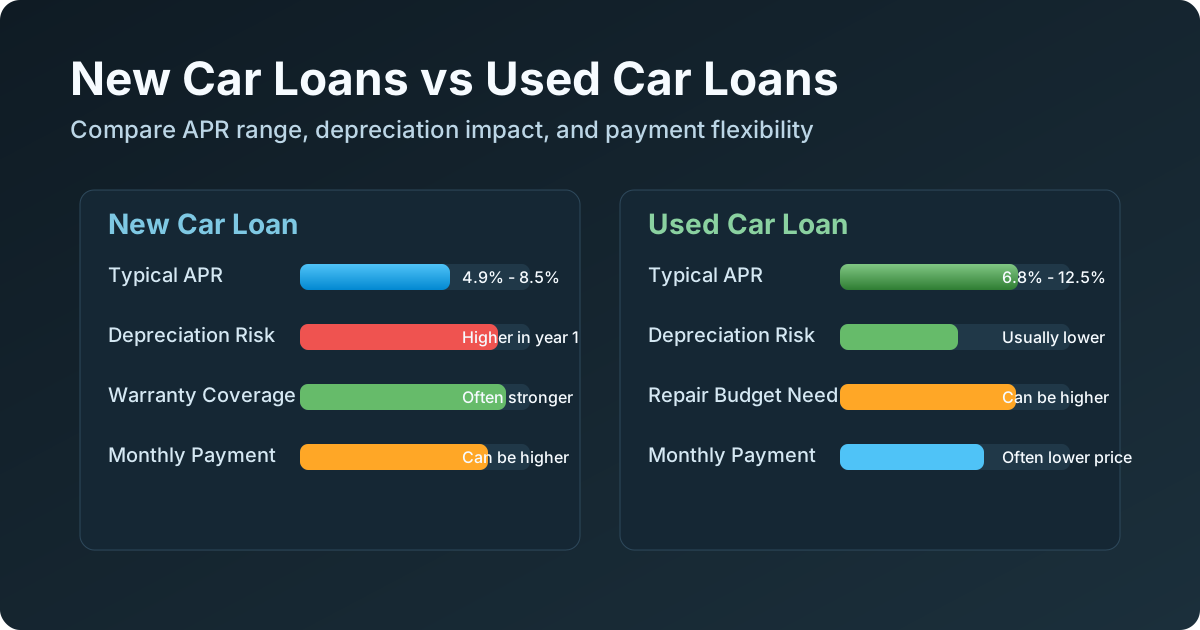
Choosing between a new car loan and a used car loan is not just about the sticker price. Interest rates, depreciation, warranty coverage, maintenance risk, and loan term all affect your real monthly cost. This guide compares the two financing paths so you can decide which auto loan option fits your goals and budget.
When New Car Loans Fit Best
- You qualify for low APR promotional financing.
- You want full factory warranty and fewer near-term repairs.
- You plan to keep the vehicle long enough to offset early depreciation.
When Used Car Loans Fit Best
- You prioritize lower purchase price and smaller financed amount.
- You want to avoid the steepest first-year depreciation.
- You can evaluate vehicle history and budget for maintenance.
Side-by-Side Comparison: New vs Used Car Financing
| Factor | New Car Loan | Used Car Loan |
|---|---|---|
| Typical APR | Often lower for well-qualified buyers, especially with manufacturer incentives. | Often higher, depending on vehicle age, mileage, and lender policy. |
| Vehicle Price | Higher purchase amount usually means a larger loan balance. | Lower purchase amount can reduce monthly payment pressure. |
| Depreciation | Steeper early depreciation can increase negative-equity risk. | Early depreciation already absorbed by prior owner in many cases. |
| Warranty | Typically stronger warranty coverage and predictable early ownership costs. | Coverage can be limited; repairs may become a larger budget variable. |
| Loan Terms | Broader term options are commonly available. | Some lenders restrict term length on older, higher-mileage vehicles. |
How to Decide: Budget-First Checklist
- Set your all-in monthly budget, including insurance, fuel, and expected maintenance.
- Compare APR offers from a bank, credit union, and dealer financing source on the same day.
- Estimate total cost of ownership, not just payment, over 3 to 5 years.
- Test down payment scenarios to reduce financed amount and improve loan-to-value ratio.
- Check break-even timing for how long you plan to keep the vehicle.
Related Car Loan Guides
- Car Loan Calculator and Dealer Offer Comparison
- Car Loan Calculator Guide: Estimate Monthly Payments Accurately
- Car Loan Pre-Approval vs Prequalification: What Is the Difference?
- What Credit Score Do You Need for a Car Loan?
Authoritative External Resources
- Consumer Financial Protection Bureau: Auto loans
- Edmunds: New car buying guide
- Edmunds: Used car buying resource center
Frequently Asked Questions
Are new car loan rates always lower than used car loan rates?
Not always, but many lenders and manufacturer programs offer lower APR ranges for new vehicles when borrower credit is strong.
Is a used car always cheaper overall?
Used vehicles can have lower purchase prices, but total cost also depends on APR, maintenance, insurance, and expected resale value at the time you sell.
How often should this page be updated?
Review this guide at least quarterly so APR examples, financing trends, and lender recommendations remain current and useful.
Run your own comparison before you buy
Use the Car Loan Calculator to compare new and used financing scenarios with your target APR, term, and down payment.