Car Loans / Pre-Approval vs Prequalification
Car Loan Pre-Approval vs Prequalification: What Is the Difference?
Prequalification and preapproval are both helpful in auto financing, but they serve different stages of the car-buying process. Prequalification gives you an early estimate, while preapproval provides stronger buying power and clearer rate expectations. Understanding the difference helps you shop faster and negotiate better loan terms.
Prequalification
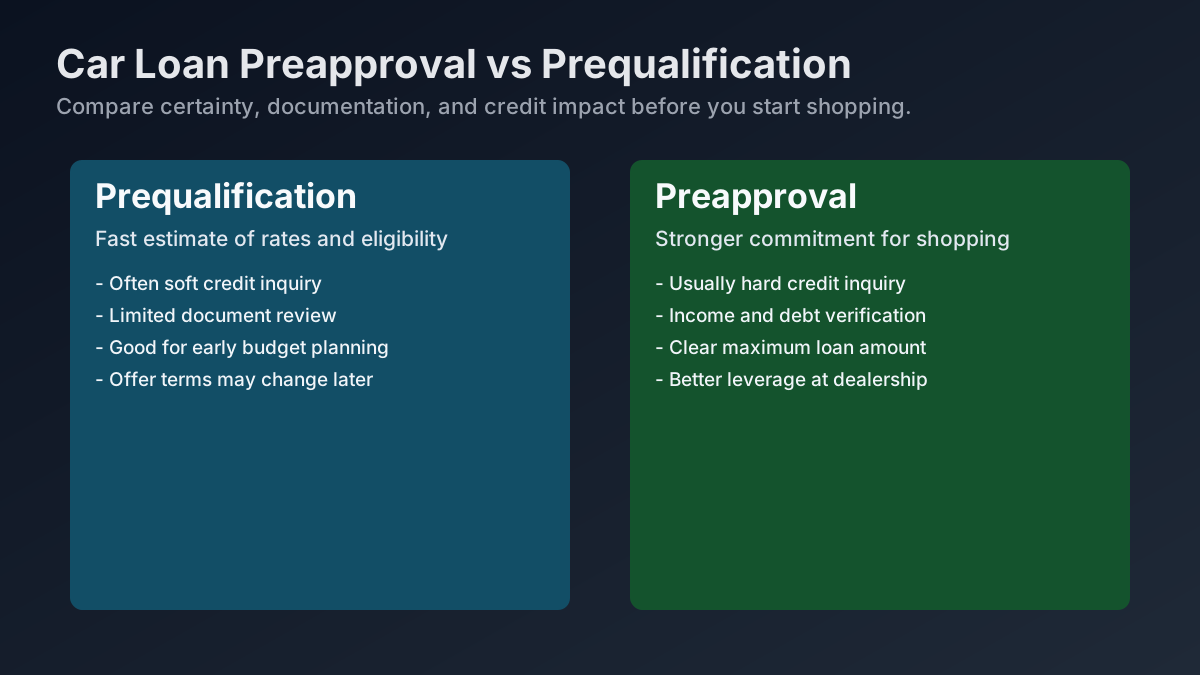
Best for early planning. You get a rough loan estimate, usually with minimal documentation and often a soft credit check.
Preapproval
Best before dealership visits. You get a stronger conditional offer, clearer limits, and greater negotiation leverage.
Preapproval vs Prequalification: Side-by-Side Comparison
| Factor | Prequalification | Preapproval |
|---|---|---|
| Credit inquiry | Commonly soft pull | Commonly hard pull |
| Documentation | Basic self-reported information | Income, debt, and identity verification |
| Rate certainty | Estimated range only | More concrete conditional terms |
| Dealer leverage | Moderate | Higher, with clearer budget limit |
| Best timing | Start of research | Right before shopping and negotiating |
When Should You Use Each Option?
- Use prequalification first if you are still deciding budget, vehicle type, and financing timeline.
- Move to preapproval when you are ready to purchase in the next few weeks.
- Bring your preapproval terms to the dealership to compare against in-house financing offers.
- If dealer financing beats your preapproval, confirm all fees and APR details before accepting.
How This Connects to the Full Car Loan Process
If you are new to borrowing, read How Car Loans Work: A Beginner-Friendly Guide first, then compare rates using the Car Loan Calculator before requesting preapproval.
Video: Understanding Preapproval Before You Visit a Dealer
Authoritative Sources
- Consumer Financial Protection Bureau: What is prequalification?
- Experian: Prequalified vs preapproved overview
- myFICO: Hard and soft credit inquiries
Frequently Asked Questions
Does prequalification hurt your credit score?
It usually does not, because many lenders use a soft inquiry, but you should always confirm before applying.
Is preapproval guaranteed?
No. Preapproval is conditional and can change if your financial profile or vehicle details change before final underwriting.
How long does preapproval last?
Many lenders set a limited validity window, often 30 to 60 days, depending on program rules.
How often should this page be updated?
Refresh this guide quarterly so credit policy trends, lender language, and process recommendations remain current.
Ready to compare offers?
Use the Car Loan Calculator to evaluate your payment options, then request preapproval from your best lender choice.